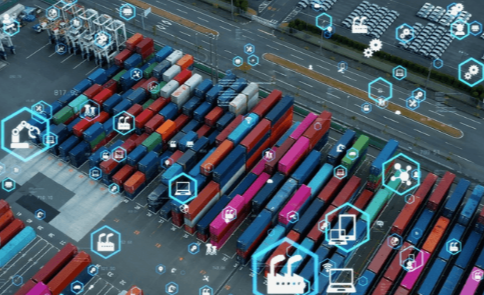
The logistics industry is experiencing significant transformation through smart technology trends. Autonomous delivery vehicles are becoming commonplace, while AI and machine learning drive efficiency in supply chain management. The Internet of Things (IoT) enables real-time tracking, enhancing operational visibility. Additionally, blockchain technology fosters transparency among stakeholders. As these innovations integrate further, their impact on logistics practices raises critical questions about future efficiency and reliability across the sector. What lies ahead in this evolving landscape?
The Rise of Autonomous Delivery Vehicles
As the demand for faster and more efficient delivery solutions continues to escalate, companies are increasingly turning to autonomous delivery vehicles (ADVs) to meet consumer expectations.
Autonomous drones and delivery robots are revolutionizing logistics, enabling rapid, cost-effective distribution. Data indicates that these technologies can reduce delivery times by up to 30%, enhancing operational efficiency while empowering consumers with the freedom of choice in their delivery preferences.
AI and Machine Learning in Supply Chain Management
The integration of artificial intelligence (AI) and machine learning in supply chain management is transforming logistics operations, much like the advent of autonomous delivery vehicles.
These technologies leverage predictive analytics to enhance demand forecasting, enabling companies to anticipate customer needs accurately.
The Role of IoT in Real-Time Tracking
While traditional logistics often struggled with visibility and transparency, the advent of the Internet of Things (IoT) has revolutionized real-time tracking within supply chains.
Utilizing sensor networks, IoT devices capture and transmit data analytics, enabling stakeholders to monitor shipments continuously.
This instantaneous flow of information enhances decision-making and operational efficiency, ultimately granting businesses the agility and freedom to respond swiftly to market demands.
Blockchain Technology for Enhanced Transparency
Real-time tracking capabilities enabled by IoT have set the stage for the integration of blockchain technology, which further enhances transparency in logistics.
By implementing smart contracts, stakeholders can automate transactions, reducing errors and delays.
Additionally, blockchain facilitates thorough supply chain audits, allowing for real-time verification of product provenance and compliance, ultimately empowering businesses to operate with increased trust and accountability.
Conclusion
In conclusion, the convergence of autonomous delivery vehicles, AI, IoT, and blockchain technology forms a robust infrastructure, akin to a finely tuned orchestra, harmonizing efficiency and transparency within the logistics industry. These smart logistics trends not only streamline operations but also cultivate a landscape where real-time insights empower businesses to navigate the complexities of the supply chain with precision. As these technologies advance, they promise to redefine logistics, ensuring organizations remain agile and responsive to evolving market demands.