In today’s fast-paced business environment, a payment terminal has become an essential tool for handling transactions efficiently. Payment terminals enable businesses to accept credit cards, debit cards, and digital payments quickly and securely, improving customer experience and streamlining operations. From small retail shops to large enterprises, having the right payment terminal can significantly enhance business efficiency and customer satisfaction.
With the rise of cashless transactions and mobile payments, adopting a reliable payment terminal is no longer optional—it’s a strategic requirement for businesses aiming to remain competitive.
What is a Payment Terminal?
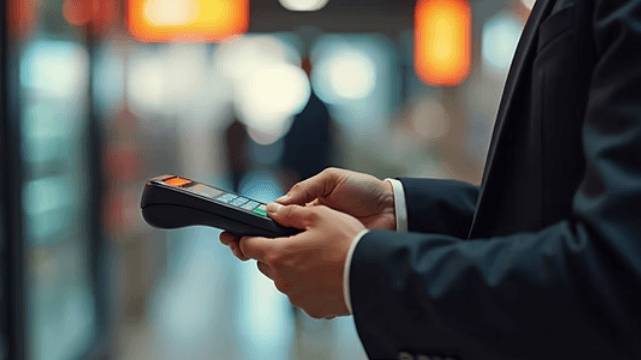
A payment terminal is an electronic device used to process card payments. It connects to banks and payment networks to authorize, process, and complete transactions securely.
Key Features of Payment Terminals
- Accepts multiple payment methods, including credit and debit cards
- Contactless payments via NFC-enabled devices
- Secure data encryption for transaction safety
- Integration with point-of-sale (POS) systems
- Real-time transaction reporting
These features ensure smooth and secure payment processing for businesses and customers alike.
Benefits of Using a Payment Terminal
Faster Transactions
Payment terminals reduce checkout time, improving efficiency and customer satisfaction.
Enhanced Security
Secure encryption minimizes the risk of fraud and data breaches.
Accurate Records
Transactions are automatically logged, simplifying accounting and reporting processes.
Customer Convenience
Offering multiple payment options enhances the customer experience.
Types of Payment Terminals
Standalone Terminals
Ideal for small businesses, these devices operate independently and are easy to set up.
Integrated Terminals
Connected to POS systems, these terminals streamline payment processing and inventory management.
Mobile Terminals
Portable devices allow businesses to process payments anywhere, enhancing flexibility.
Cloud-Based Terminals
Enable centralized management and reporting, suitable for businesses with multiple locations.
Choosing the Right Payment Terminal
Compatibility
Ensure the terminal supports the payment methods preferred by your customers.
Security Features
Look for devices with encryption and compliance with global security standards.
Ease of Use
A user-friendly interface ensures faster adoption by staff and customers.
Cost and Fees
Compare upfront costs, transaction fees, and maintenance charges to find the best value.
Practical Application
Businesses aiming to simplify transactions and improve customer experience often rely on payment terminal solutions. These devices ensure secure, fast, and reliable payments while supporting business growth.
FAQs
What is a payment terminal?
A payment terminal is an electronic device that processes card and digital payments securely and efficiently.
Can payment terminals accept mobile and contactless payments?
Yes, modern terminals support NFC-enabled devices for contactless and mobile payments.
How does a payment terminal improve business operations?
It speeds up transactions, enhances security, and provides accurate records for accounting and reporting.
Conclusion
A payment terminal is a vital tool for modern businesses, enabling secure, efficient, and convenient transactions. By choosing the right terminal, businesses can enhance customer experience, streamline operations, and maintain accurate financial records.
Investing in a reliable payment terminal ensures businesses stay competitive in an increasingly digital and cashless marketplace, making payment processing seamless and hassle-free.