Edge computing is a transformative technology that brings data processing closer to its source. It stands in contrast to traditional cloud computing, where data travels to centralized servers. This proximity reduces latency and enhances real-time decision-making. As industries explore its potential, edge computing is poised to redefine how data is utilized in various sectors. Understanding its distinct features and benefits could provide insights into its growing influence on technology and business operations.
Understanding Edge Computing
As technology continues to evolve, understanding edge computing becomes increasingly essential.
This paradigm shifts data processing closer to edge devices, such as sensors and IoT appliances, enhancing efficiency and reducing latency.
By enabling real-time decision-making, edge computing empowers users with greater control over their data while fostering innovation.
Embracing this technology opens pathways to a more connected and responsive digital landscape, promoting individual freedom and creativity.
See also: dailynewslaw
How Edge Computing Differs From Cloud Computing
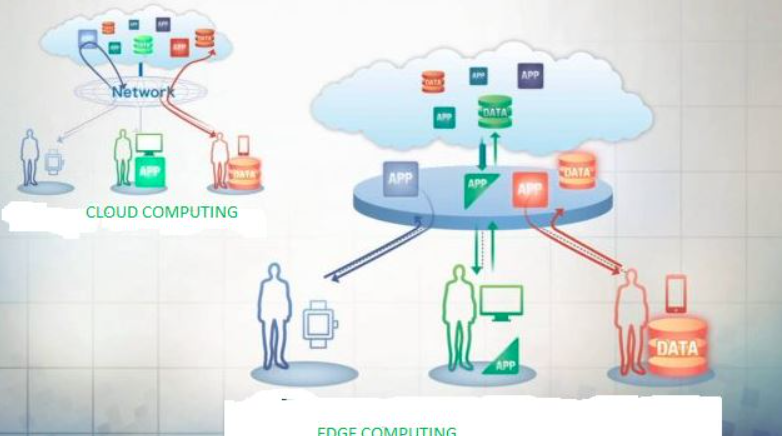
Edge computing and cloud computing serve distinct functions in the digital ecosystem, each with unique advantages and limitations.
Edge computing emphasizes data processing at edge locations, reducing latency and enhancing real-time capabilities. In contrast, cloud computing centralizes data management, often relying on remote servers.
This fundamental difference allows edge computing to cater to applications requiring immediate responses, while cloud computing excels in scalability and storage.
Benefits of Edge Computing
Although many organizations are increasingly reliant on centralized cloud services, the benefits of edge computing are becoming more apparent, particularly for applications demanding low latency and high-speed data processing.
The Future of Edge Computing in Business and Daily Life
While the rapid advancement of technology continues to shape various sectors, the integration of edge computing is poised to redefine both business operations and everyday life.
In smart cities, real-time data processing enhances resource management, while industrial automation benefits from improved efficiency and reduced latency.
This evolution promises greater connectivity and responsiveness, empowering individuals and organizations to thrive in an increasingly digital landscape.
Conclusion
In conclusion, edge computing stands as a lighthouse guiding businesses and individuals through the fog of data overload, illuminating paths to real-time insights and enhanced efficiency. By processing information closer to its source, this technology not only minimizes latency but also empowers users with greater control over their data. As edge computing continues to evolve, its transformative impact on industries and daily life will undoubtedly shape the future of technology, fostering innovation and connectivity.