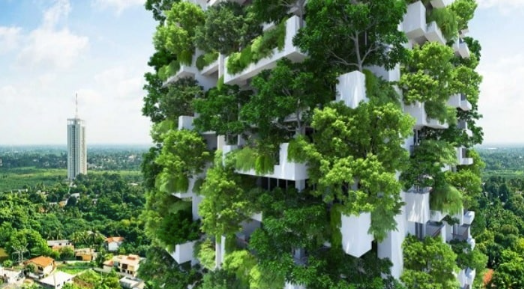
A sustainability building represents a modern approach to architecture and construction that prioritizes environmental responsibility, energy efficiency, and resource conservation. These buildings are designed to minimize their ecological footprint while providing healthy, comfortable spaces for occupants.
What Is a Sustainability Building?
Sustainability buildings, often referred to as green buildings, integrate eco-friendly practices in design, construction, and operation. They focus on reducing energy consumption, using sustainable materials, managing water efficiently, and improving indoor environmental quality.
Key Features of Sustainability Buildings
- Energy Efficiency: Incorporation of solar panels, LED lighting, and energy-efficient HVAC systems.
- Sustainable Materials: Use of recycled, renewable, or low-impact construction materials.
- Water Management: Rainwater harvesting, greywater recycling, and low-flow fixtures.
- Indoor Environmental Quality: Proper ventilation, natural lighting, and non-toxic materials to promote health.
- Smart Building Technology: Automation systems for lighting, climate control, and energy monitoring.
Benefits of Sustainability Buildings
Reduced Environmental Impact
Green sustainability building minimize carbon emissions, waste, and pollution, contributing positively to the environment.
Lower Operational Costs
Energy-efficient systems and water-saving measures reduce utility bills for building owners and occupants.
Health and Comfort
Natural light, improved air quality, and comfortable indoor climates enhance occupant well-being and productivity.
Increased Property Value
Sustainability-certified buildings, such as those with LEED or BREEAM ratings, are attractive to investors and tenants, often commanding higher rental and resale values.
See also: Smart Gadgets Powered by AI Technology
Compliance with Regulations
Many regions now require buildings to meet specific environmental standards, making sustainability buildings essential for regulatory compliance.
Applications of Sustainability Buildings
Residential Construction
Eco-friendly homes offer energy savings, healthier living spaces, and long-term cost benefits.
Commercial Buildings
Office complexes, hotels, and retail spaces integrate sustainability features to reduce operating costs and attract eco-conscious clients.
Educational Institutions
Schools and universities adopt green building practices to promote environmental responsibility and create healthy learning environments.
Industrial and Manufacturing
Sustainability buildings in industrial sectors optimize energy usage, reduce waste, and comply with environmental regulations.
Public Infrastructure
Government buildings, hospitals, and transportation hubs benefit from sustainable design to reduce public energy costs and environmental impact.
Tips for Implementing Sustainability in Buildings
- Conduct Energy Audits: Identify areas for energy efficiency improvements.
- Use Renewable Energy Sources: Incorporate solar, wind, or geothermal energy systems.
- Choose Sustainable Materials: Select locally sourced, recycled, or low-impact materials.
- Integrate Smart Technologies: Use automated systems to optimize energy and water consumption.
- Consider Life-Cycle Costs: Focus on long-term savings rather than short-term expenses.
Advantages of Sustainability Buildings
- Minimized environmental footprint through eco-friendly practices.
- Reduced energy and water consumption, lowering costs.
- Improved occupant health, comfort, and productivity.
- Enhanced property value and marketability.
- Compliance with modern environmental regulations.
Conclusion
Sustainability buildings are shaping the future of architecture by prioritizing environmental responsibility, efficiency, and human well-being. From residential homes to commercial complexes, green building practices offer numerous benefits including cost savings, healthier living, and a reduced ecological footprint. As global awareness of climate change grows, adopting sustainability principles in construction is no longer optional—it is essential for building a better future.
Frequently Asked Questions
1. What makes a building sustainable?
A building is considered sustainable if it minimizes energy and water use, uses eco-friendly materials, and promotes healthy indoor environments.
2. Are sustainability buildings more expensive to construct?
While initial costs may be higher, long-term savings from reduced energy and maintenance expenses offset the investment.
3. What certifications are used for sustainable buildings?
Common certifications include LEED, BREEAM, WELL Building Standard, and Green Star, which validate environmental and health performance.