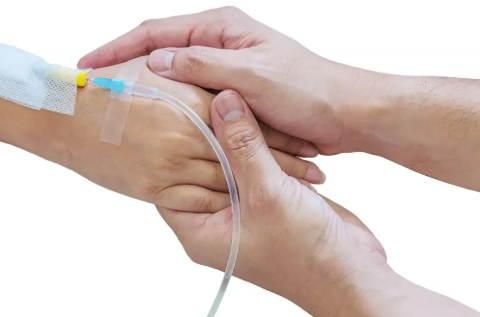
Mental health awareness is becoming increasingly important in modern cities, especially in high-pressure environments like Hong Kong. One of the most serious trauma-related conditions is Post-Traumatic Stress Disorder (PTSD). Understanding is essential for early recognition, proper treatment, and long-term emotional recovery.
PTSD can develop after exposure to traumatic events such as accidents, violence, abuse, or life-threatening situations. In Hong Kong, rising awareness of mental health has helped more individuals identify symptoms and seek timely professional support.
What is PTSD?
Post-Traumatic Stress Disorder is a psychological condition that affects how the brain processes traumatic memories. It can change emotions, thoughts, and behavior patterns.
Common symptoms include:
- Flashbacks of traumatic events
- Nightmares and sleep disturbances
- Severe anxiety or panic attacks
- Emotional numbness
- Avoidance of trauma-related triggers
These symptoms can disrupt daily life if not properly treated.
Causes of PTSD in Hong Kong
PTSD can result from various traumatic experiences. In Hong Kong’s urban environment, common causes include:
1. Traffic and Workplace Accidents
Serious accidents may lead to long-term emotional trauma.
2. Abuse or Violence
Physical, emotional, or domestic abuse is a major cause of PTSD.
3. Natural Disasters
Typhoons, fires, and emergencies can leave lasting psychological effects.
4. Chronic Stress
Long working hours and high pressure can contribute to emotional exhaustion and trauma.
Symptoms of PTSD
PTSD symptoms are generally grouped into four categories:
Intrusive Symptoms
- Flashbacks
- Nightmares
- Unwanted memories
Avoidance Symptoms
- Avoiding trauma-related places or people
- Emotional withdrawal
- Refusing to talk about trauma
Mood Changes
- Depression
- Guilt or shame
- Loss of interest in activities
Physical Reactions
- Irritability
- Sleep problems
- Hypervigilance (constant alertness)
Impact of PTSD on Daily Life
If untreated, PTSD can significantly affect emotional, social, and professional life.
Possible effects include:
- Difficulty focusing
- Anxiety and depression
- Emotional instability
- Social withdrawal
- Reduced productivity
Early support is essential to prevent long-term complications.
Importance of Mental Health Awareness in Hong Kong
Mental health awareness in ptsd hong kong is improving, but stigma still prevents many individuals from seeking help.
Awareness helps to:
- Reduce stigma around mental illness
- Encourage early diagnosis
- Improve access to treatment
- Support emotional recovery
Education plays an important role in improving understanding of PTSD.
Treatment Options for PTSD
PTSD is treatable with professional care and structured support.
1. Therapy
Cognitive Behavioral Therapy (CBT) helps individuals process trauma and reduce negative thinking patterns.
2. Medication
Doctors may prescribe antidepressants or anti-anxiety medication depending on severity.
3. Support Groups
Group therapy helps individuals share experiences and feel less isolated.
4. Lifestyle Improvements
- Regular exercise
- Healthy sleep routine
- Stress management techniques
- Mindfulness practices
See also: Intelligent Mattress: Transforming Sleep for Better Health
Importance of Early Intervention
Early diagnosis and treatment improve recovery outcomes significantly.
Warning signs include:
- Persistent anxiety
- Frequent flashbacks
- Emotional numbness
- Difficulty functioning in daily life
Seeking professional help early is highly recommended.
Role of Family Support
Family and friends play a key role in PTSD recovery.
Helpful support includes:
- Listening without judgment
- Encouraging professional help
- Providing emotional reassurance
- Being patient during recovery
A supportive environment greatly improves healing outcomes.
Coping Strategies for PTSD
Along with professional treatment, coping strategies can help manage symptoms:
- Practice relaxation and breathing exercises
- Maintain structured routines
- Engage in physical activity
- Avoid alcohol and drugs
- Build strong social support networks
These habits support long-term emotional stability.
Challenges in PTSD Treatment
Despite available treatments, several challenges still exist:
- Social stigma
- Lack of awareness
- Delayed diagnosis
- Limited access to mental health care
Addressing these issues requires improved education and healthcare systems.
Future of Mental Health Care in Hong Kong
Mental health services in Hong Kong are improving with modern approaches and technology.
Future developments may include:
- Online therapy platforms
- Workplace mental health programs
- Digital counseling services
- Public awareness campaigns
These advancements will help more people receive timely support.
FAQs
1. What is PTSD in simple words?
PTSD is a mental health condition caused by trauma that leads to anxiety, flashbacks, and emotional distress.
2. Can PTSD be cured?
Yes, PTSD can be managed and treated effectively through therapy, medication, and support systems.
3. What triggers PTSD symptoms?
Triggers may include reminders of trauma such as sounds, places, thoughts, or situations.
Conclusion
PTSD is a serious but treatable mental health condition that requires awareness, early diagnosis, and proper care. Increasing understanding of ptsd hong kong helps reduce stigma and encourages individuals to seek help. With professional treatment, family support, and coping strategies, recovery is possible and long-term emotional stability can be achieved.