Introduction
Choosing the right base material is essential for any construction or landscaping project. Whether you are building a driveway, pathway, or foundation, understanding road base vs gravel can help you make the best decision. Both materials are commonly used, but they differ in strength, stability, and long-term performance. Knowing how each works will help you create a durable and cost-effective surface.
What Is Road Base?
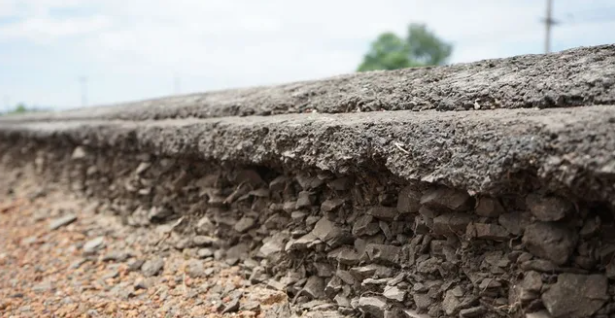
Road base is a mixture of crushed stone, gravel, and fine particles designed to create a compact and stable layer. It is widely used as a foundation material in construction projects.
Key Features
- Excellent compaction ability
- Strong load-bearing capacity
- Stable and durable structure
- Suitable for heavy-duty applications
Road base is ideal for projects where strength and long-term stability are required.
What Is Gravel?
Gravel consists of loose stones of various sizes, often used for surface layers and decorative purposes. It is easy to work with and widely available.
Key Features
- Good drainage properties
- Easy to install
- Flexible and versatile
- Suitable for light-duty applications
Gravel is commonly used for pathways, gardens, and decorative landscaping.
Road Base vs Gravel: Key Differences
Understanding the differences between these materials is important when selecting the right one.
Compaction and Stability
Road base compacts tightly, creating a solid and stable foundation. Gravel remains loose and may shift over time.
Drainage
Gravel offers better drainage due to spaces between stones. Road base also allows drainage but focuses more on stability.
Strength
Road base is stronger and better suited for heavy loads. Gravel is ideal for lighter applications.
Longevity
Road base provides long-lasting performance, while gravel may require regular maintenance.
When to Use Road Base
Road base is the best choice for projects that require a strong and stable foundation.
See also: Building Strong Business Policies to Support Long-term Stability
Recommended Uses
- Driveway foundations
- Road construction
- Parking areas
- Patio bases
When to Use Gravel
Gravel is suitable for projects where drainage and appearance are priorities.
Recommended Uses
- Garden pathways
- Decorative landscaping
- Walkways
- Drainage areas
Benefits of Choosing the Right Material
Improved Durability
Selecting the right material ensures long-lasting performance.
Reduced Maintenance
Proper material choice minimizes repairs and upkeep.
Cost Efficiency
Investing in the correct base material reduces long-term expenses.
Learn More About Base Materials
For a deeper understanding of how these materials perform in real applications, you can explore road base vs gravel solutions designed for strong and durable foundations.
Common Mistakes to Avoid
Avoid using gravel for heavy loads, failing to compact road base properly, ignoring drainage needs, or choosing low-quality materials, as these can reduce effectiveness.
FAQs
Which is better, road base or gravel?
Road base is better for heavy-duty applications, while gravel is suitable for lighter and decorative uses.
Can gravel be used as a base layer?
Gravel is not ideal for heavy loads because it does not compact as well as road base.
How thick should a road base layer be?
It typically ranges from 4 to 8 inches depending on the project requirements.
Conclusion
When comparing road base vs gravel, the right choice depends on your specific project needs. Road base provides strength, stability, and long-term durability, making it ideal for construction and heavy-use areas. Gravel offers flexibility and better drainage, making it suitable for lighter applications. By selecting the correct material and installing it properly, you can ensure better performance, reduced maintenance, and long-lasting results for your project.