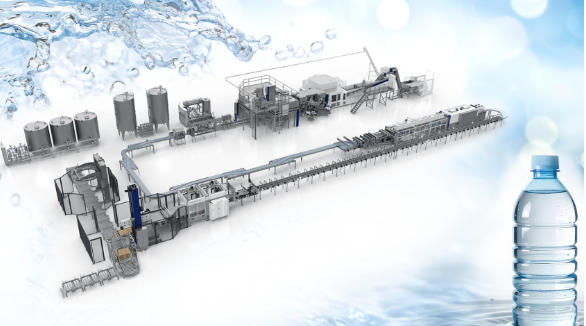
For entrepreneurs and investors entering the beverage production industry, there is a critical early decision to make: source individual machines and integrate them yourself, or invest in a complete bottling plant solution delivered by a single specialist supplier. Increasingly, buyers are choosing the turnkey approach — and for good reason. A well-delivered complete system reduces risk, accelerates time to market, and ensures all components work together perfectly from day one.
What Does a Complete Bottling Plant Solution Include?
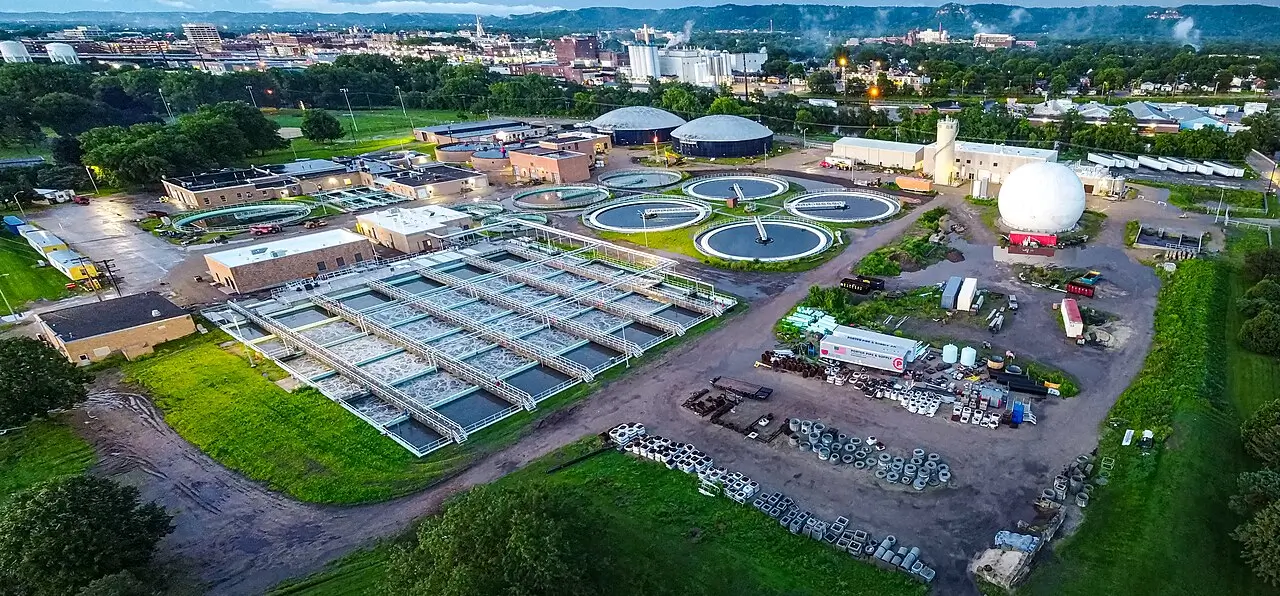
A full turnkey bottling system covers every stage of production from raw water treatment to finished, palletized product. This includes water purification equipment, bottle making or supply, rinser-filler-capper equipment, complete bottling plant solution labeling machines, packaging systems, and all interconnecting conveyors and control systems. The supplier takes responsibility for system integration, ensuring all components communicate and operate as a unified production line.
Engineering Design and Project Management
Reputable turnkey suppliers begin with detailed engineering design of your production facility, including equipment layout, utility requirements, and workflow optimization. Experienced project managers coordinate equipment manufacturing, delivery, installation, and commissioning on a defined timeline, reducing the management burden on your team.
Factory Acceptance Testing
Before shipment, quality turnkey suppliers perform full factory acceptance testing (FAT) on your complete system assembled at their facility. During FAT, you can verify that the entire line runs at specified speeds, fills accurately, and meets all hygiene requirements before your capital is fully committed.
Benefits of Choosing a Turnkey System
The primary benefit of a complete bottling plant solution is accountability. When one supplier is responsible for everything, there is no finger-pointing between machine vendors when integration problems arise. The supplier has financial and reputational incentive to make every component work together seamlessly, which dramatically reduces commissioning delays.
Faster Time to Production
Integrated systems are designed and tested as a whole, which means commissioning at your site is faster and more predictable. Multi-vendor systems often experience prolonged commissioning delays as incompatibilities between equipment from different manufacturers are discovered and resolved on your factory floor.
Training and Operational Support
Turnkey suppliers typically include comprehensive operator training in their contracts. Because one team built and delivered the entire system, they can provide coherent training that covers all equipment interactions, not just isolated machine operation. This holistic training improves operator competence and reduces production errors.
How to Evaluate Turnkey System Suppliers
Not all companies claiming to offer complete solutions actually have the engineering depth and manufacturing capability to deliver reliably. Evaluate suppliers by reviewing their portfolio of completed installations, speaking with reference clients, and assessing the scope of their in-house manufacturing capabilities versus external component sourcing.
In-House vs. Outsourced Components
The best turnkey suppliers manufacture their critical equipment in-house, which gives them full quality control over the most important components. Suppliers who simply resell and integrate third-party equipment from multiple vendors may struggle to deliver consistent quality or resolve technical problems when component suppliers are unresponsive.
See also: Business Performance Dashboard 965272954, 3605157440, 917715748, 640100183, 944041404, 602636798
Post-Installation Service Agreements
Ask potential suppliers about service level agreements (SLAs) for ongoing support after commissioning. Key metrics include maximum response time for emergency breakdowns, planned maintenance visit frequency, and parts availability guarantees. An SLA that commits to 24-hour response and stock of critical spares provides meaningful peace of mind.
Cost Comparison: Turnkey vs. Multi-Vendor Approach
While turnkey systems often carry a higher sticker price than purchasing individual machines from lowest-cost vendors, the total project cost including integration engineering, commissioning delays, and extended startup troubleshooting often makes the turnkey approach more economical. Include all costs in your comparison, not just equipment purchase prices.
Frequently Asked Questions
Q: Can a turnkey system be customized for my specific products?
A: Absolutely. Good turnkey suppliers design each system around your specific products, production volumes, and market requirements. Customization is one of the key advantages of working directly with a capable turnkey partner.
Q: Is financing available for complete bottling plant solutions?
A: Many suppliers partner with financial institutions or offer leasing arrangements. Equipment financing programs can significantly reduce the upfront capital required, improving cash flow during the critical startup phase.
Q: What ongoing maintenance is required for a complete bottling plant?
A: Maintenance requirements depend on production volume and equipment types. Suppliers typically provide a maintenance schedule at delivery. Regular preventive maintenance by trained technicians is essential for maximizing equipment lifespan and minimizing unplanned downtime.
Conclusion
Choosing a complete bottling plant solution from an experienced, reputable turnkey supplier is often the smartest investment a beverage startup or expansion project can make. The integrated design, unified accountability, faster commissioning, and comprehensive training all add value that easily justifies the investment. Focus your evaluation on suppliers with a deep portfolio of successful installations and a commitment to long-term support.